Last week, I had the privilege of being invited to participate in the “Database Synergy Day 2025: Swiss Oracle & PostgreSQL User Groups Unite” conference held in Switzerland. This technical event was co-organized by the Swiss Oracle User Group (SOUG) and the PostgreSQL User Group (SwissPUG). I engaged in deep discussions with numerous peers and experts in the database field, gaining valuable insights and making the trip truly worthwhile.
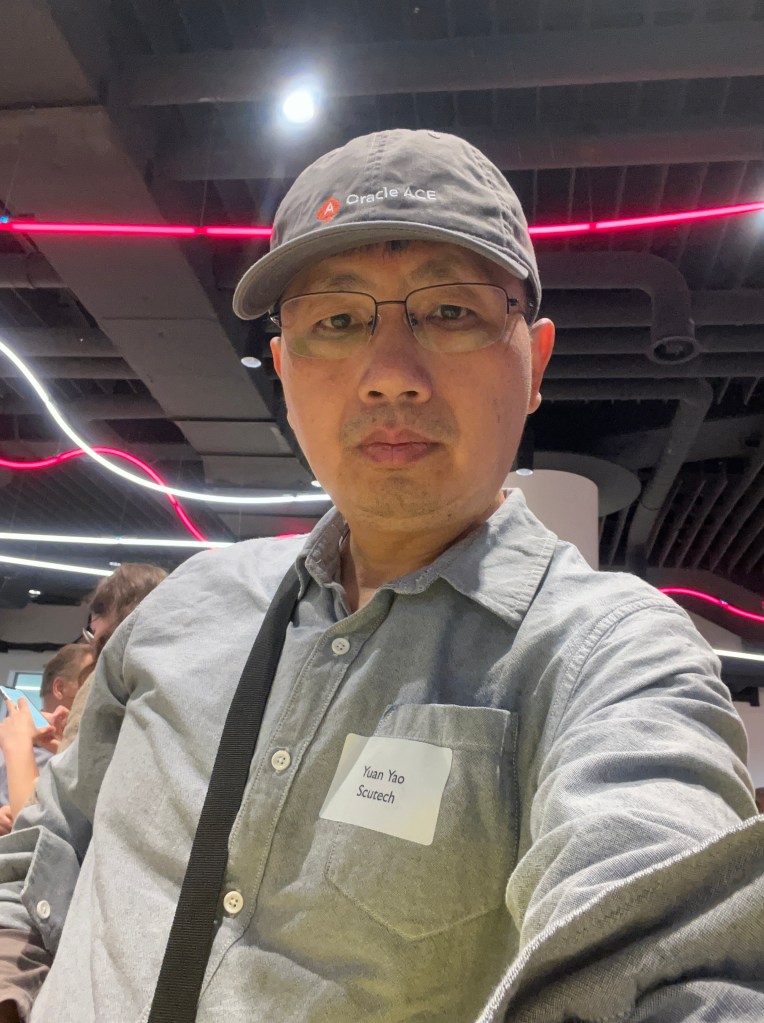
As the conference name suggests, the event focused on the synergistic application of Oracle and PostgreSQL database technologies. These two databases complement each other strongly in terms of functionality and use cases, and the conference highlighted this through technical depth, an international perspective, and community interaction. Experts from institutions such as Oracle, CERN, and EDB shared authoritative, cutting-edge experiences that were immensely beneficial. I had the honor of meeting several “gurus” in the database field, including Mike Dietrich, Daniel Westermann, Laurenz Albe, and Dani Schnider, and even took photos with some of them, which felt incredibly rewarding.
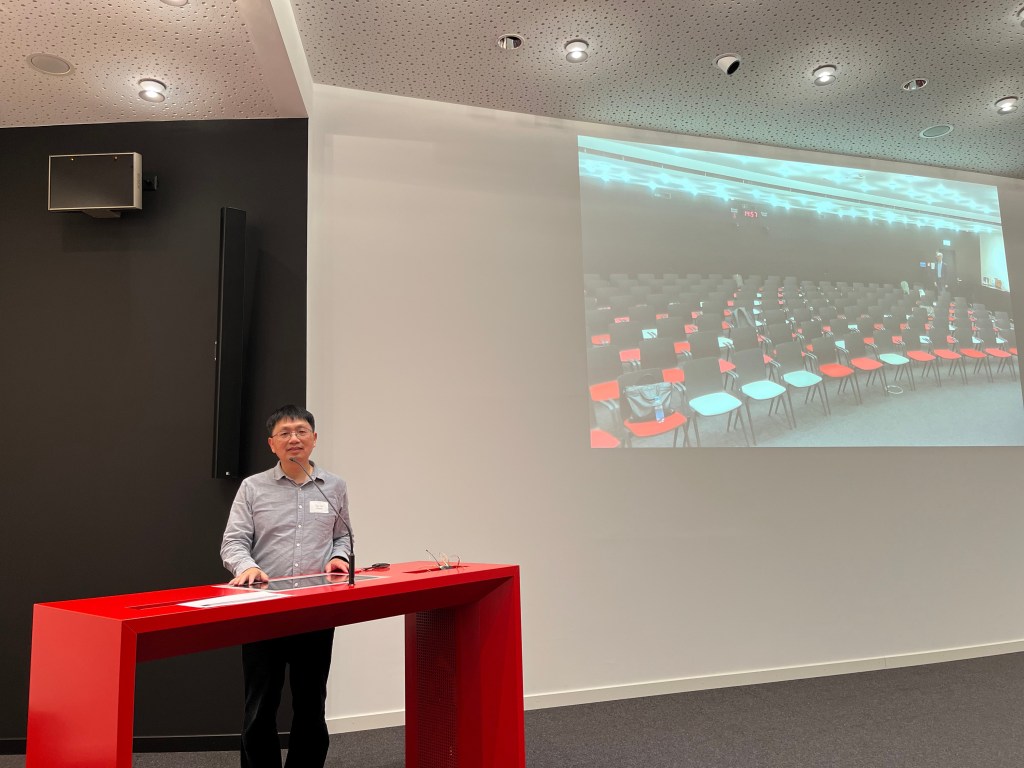
My presentation was titled “Using AWR and ASH in Tandem for Oracle Database Tuning.” I shared methods for performance diagnostics by combining Oracle’s AWR (Automatic Workload Repository) and ASH (Active Session History): using AWR to analyze performance trends and symptoms, then leveraging ASH to pinpoint the root causes and specific moments of issues. This topic sparked significant interest among attendees, and after the session, many approached me for in-depth discussions. I answered their questions during these exchanges, which gave me a great sense of accomplishment.
Most of the attending experts were from Europe, fluent in English, and articulated their thoughts clearly. Initially, I felt a bit reserved due to language and cultural differences, but after mustering the courage to engage, I found them to be very friendly, creating a relaxed and pleasant atmosphere. We discussed the usage of Oracle, PostgreSQL, and MySQL in Europe, as well as trends in cloud versus on-premises databases. They showed keen interest in Chinese databases (such as GaussDB), so I took the opportunity to introduce advancements in China’s tech landscape, which was well-received. Additionally, the organizers thoughtfully provided exquisite lunches and dinners, with Swiss specialties that not only delighted the palate but also added warmth to the interactions.
During the conference, I unexpectedly met a fellow Chinese attendee, which felt wonderfully familiar. We chatted in Chinese about the differences in DBA work between China and Switzerland. The high salaries and relaxed work pace of Swiss peers left a strong impression on me.
The conference took place in Switzerland’s capital, Bern. This tranquil city, with a population of just about 140,000, boasts a rich history and is renowned for its well-preserved medieval architecture and stunning natural scenery. As the political center of Switzerland, it houses both the federal government and parliament. Beyond the technical exchanges, I took some time to explore local attractions, where quaint castles, churches, and charming streets left me enchanted.

Special thanks go to Christian Marquardt, President of the Swiss Oracle User Group, and Sinira Buchmüller, Marketing Manager, for their warm hospitality. Their meticulous organization ensured the event’s resounding success. This trip to Switzerland was not only a feast of technology but also a cultural immersion—leaving me eager to participate again in the future!


 Yuan Yao, An Oracle ACE's Blog
Leave a comment